How VR, digital twins and AI can strengthen industrial training, process safety
On turning incident lessons, operating procedures and HAZOP findings into practical training for industrial teams, using VR, digital twins and AI.
Read the article
Hello, I’m Amirsoleiman. I trained as an aerospace engineer and moved into process safety, working on hazard studies, risk assessment and consequence modelling. That work showed me how much depends on people understanding equipment they rarely see in full. Today I work on that problem at Techcopter, the company I founded in 2022, and in the articles and talks below.
Based in Kuala Lumpur. Outside Techcopter, I volunteer as Programme Director at Afghanistan Education Action, a UK education charity.
Topics have ranged from hazard analysis and digital twins to AI infrastructure and hybrid production.
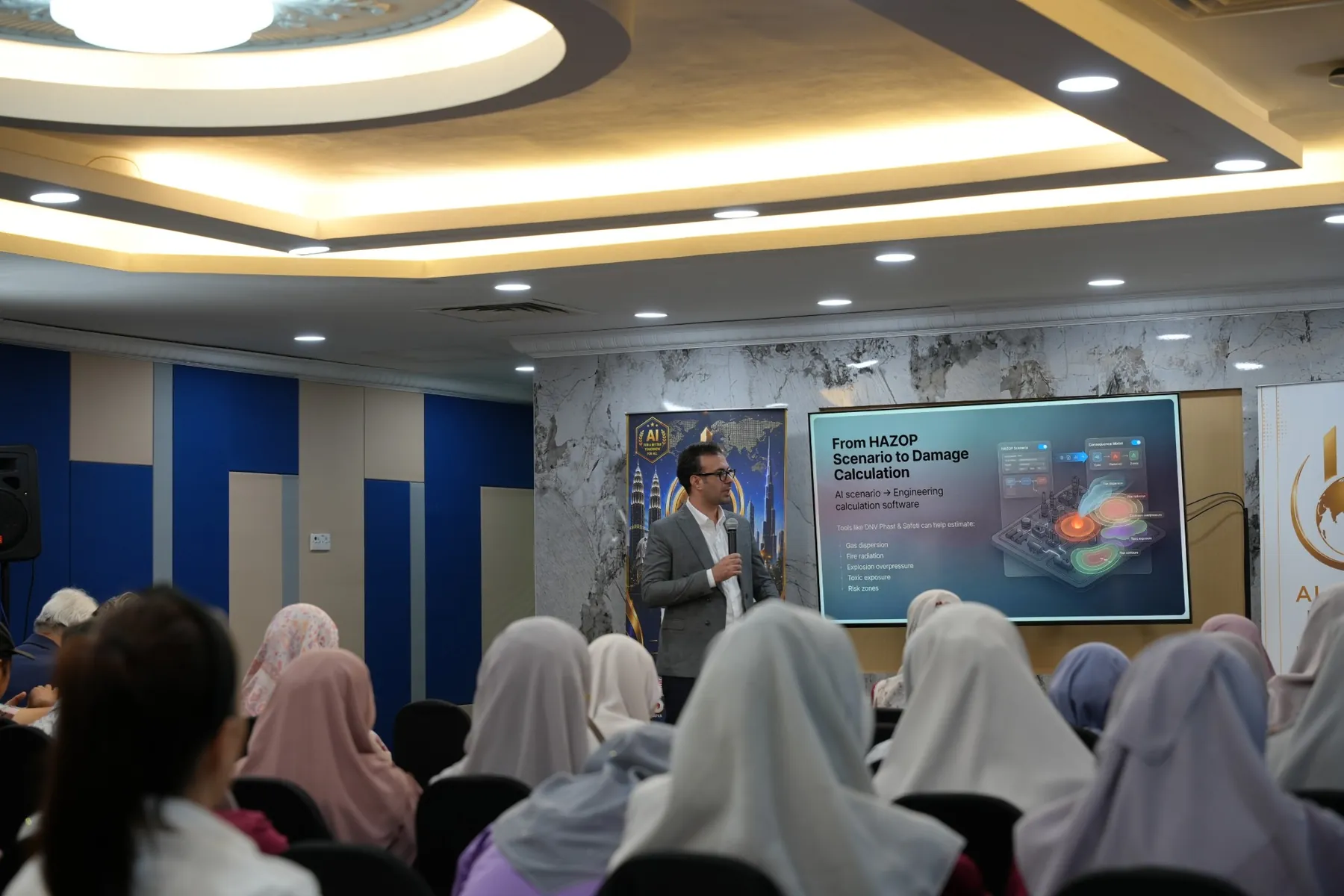
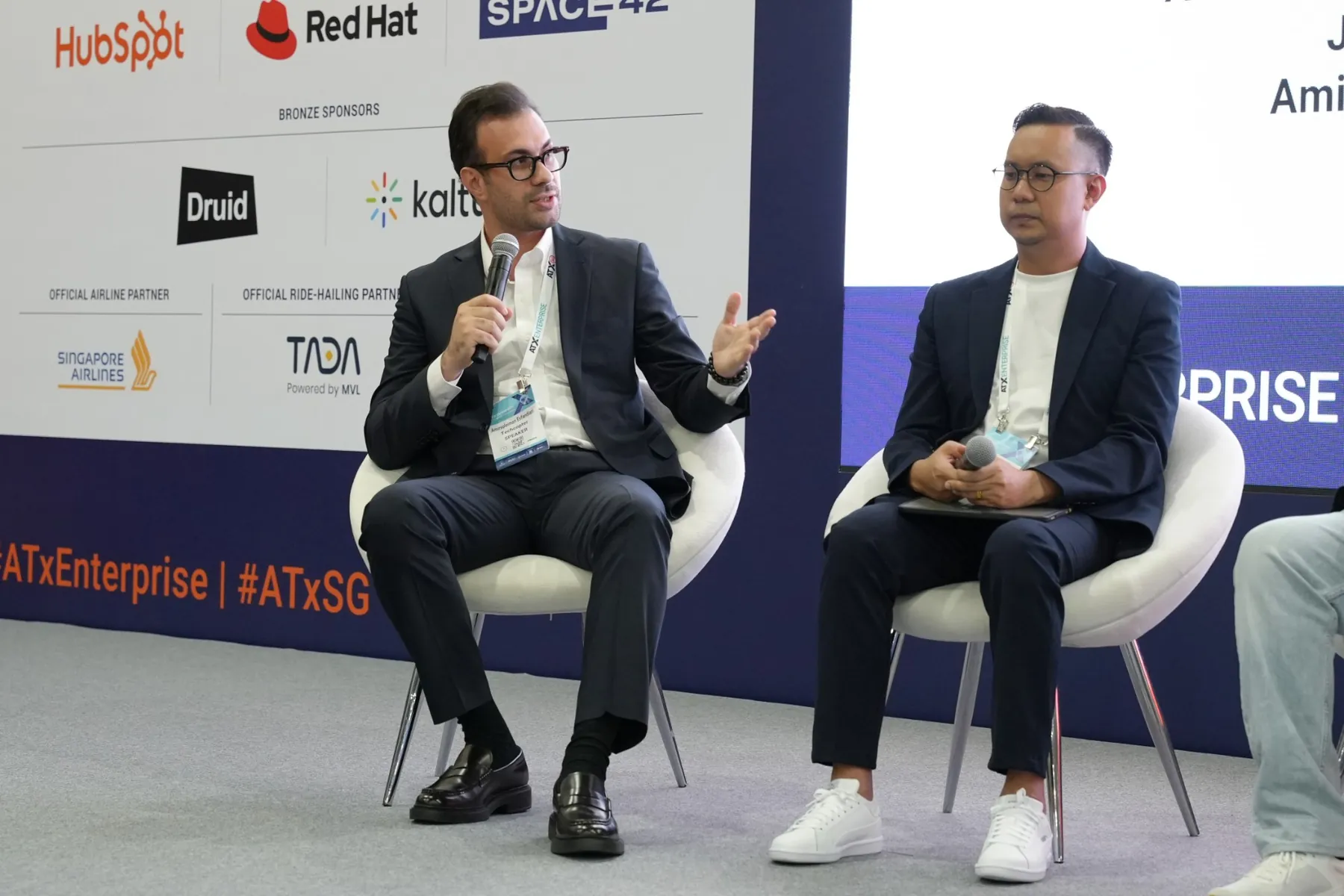
Open a talk for photos and session details.

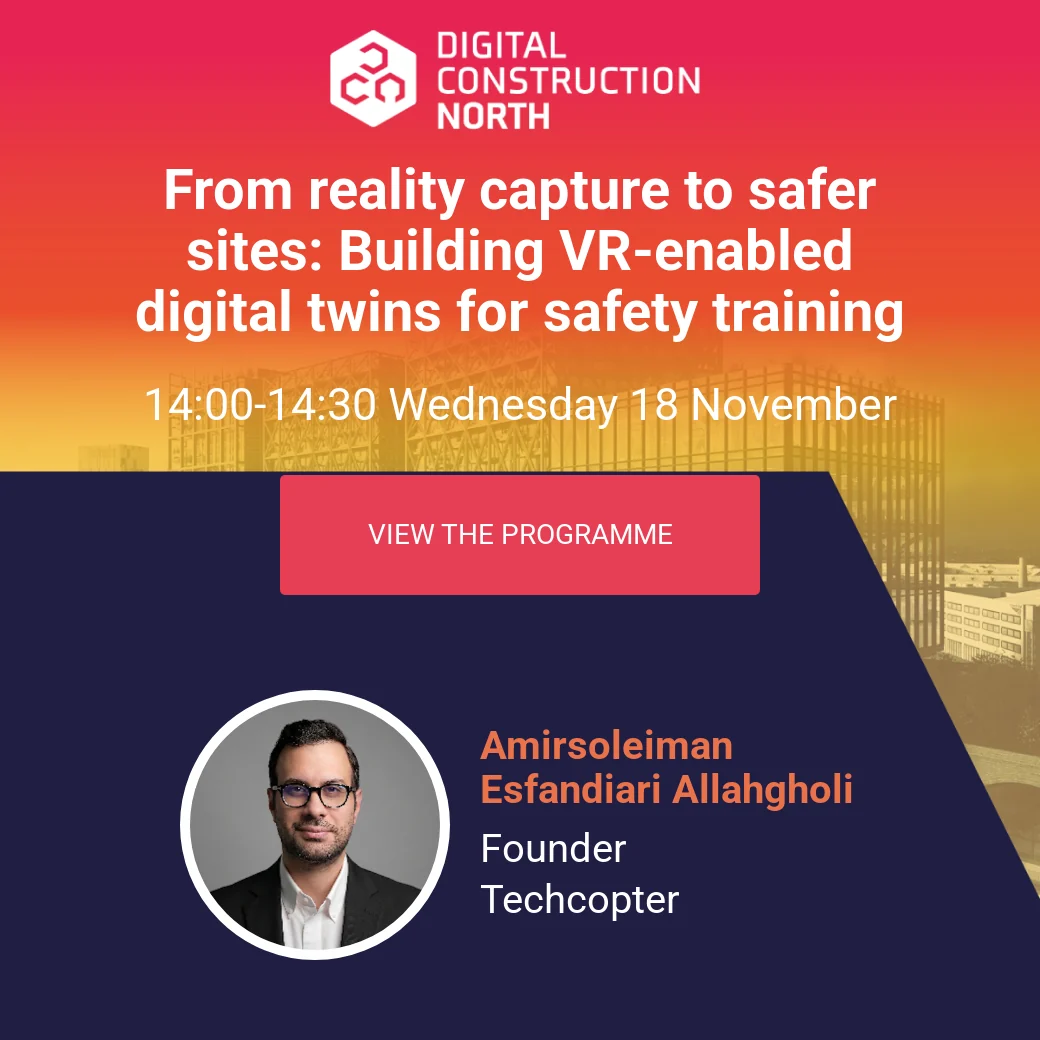
Innovation Stage · 18 November 2026

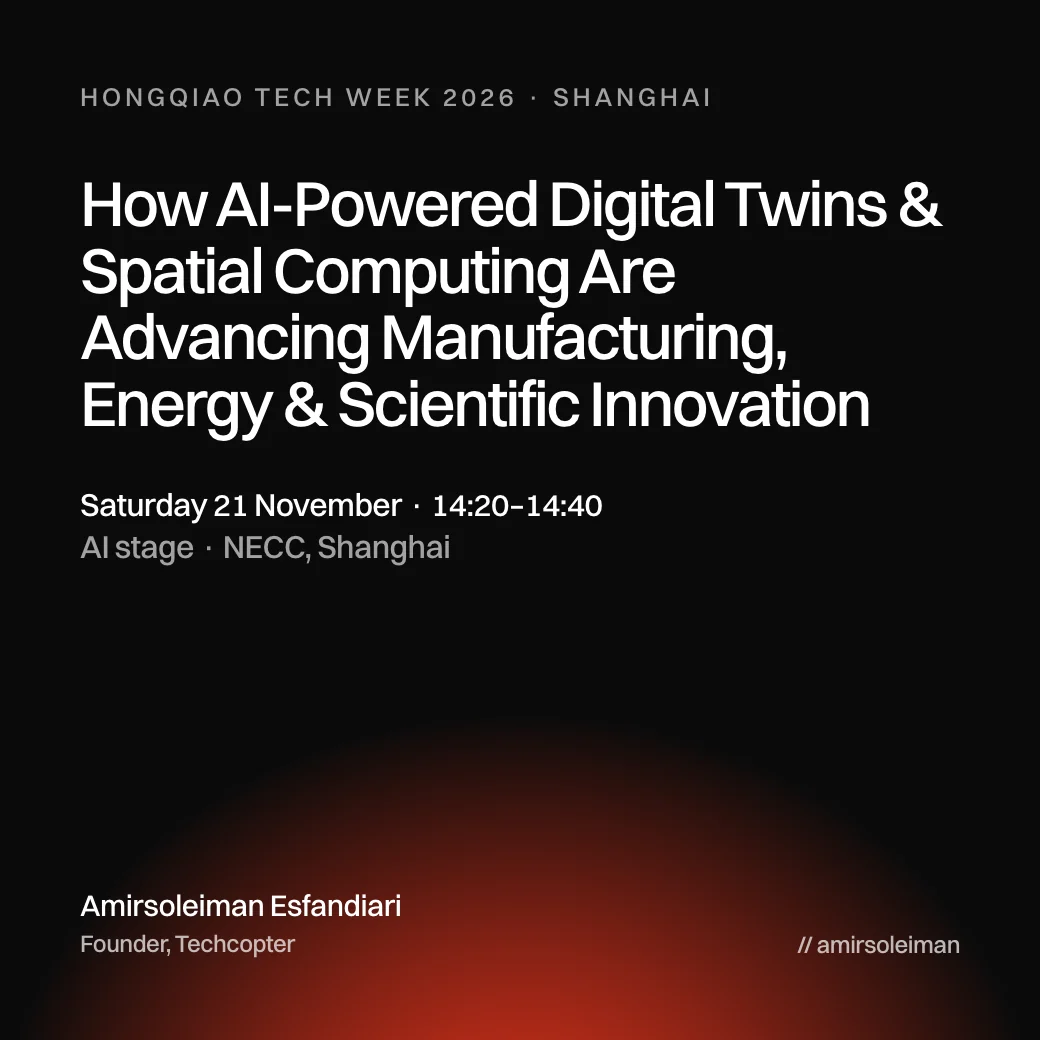
AI stage · 21 November 2026

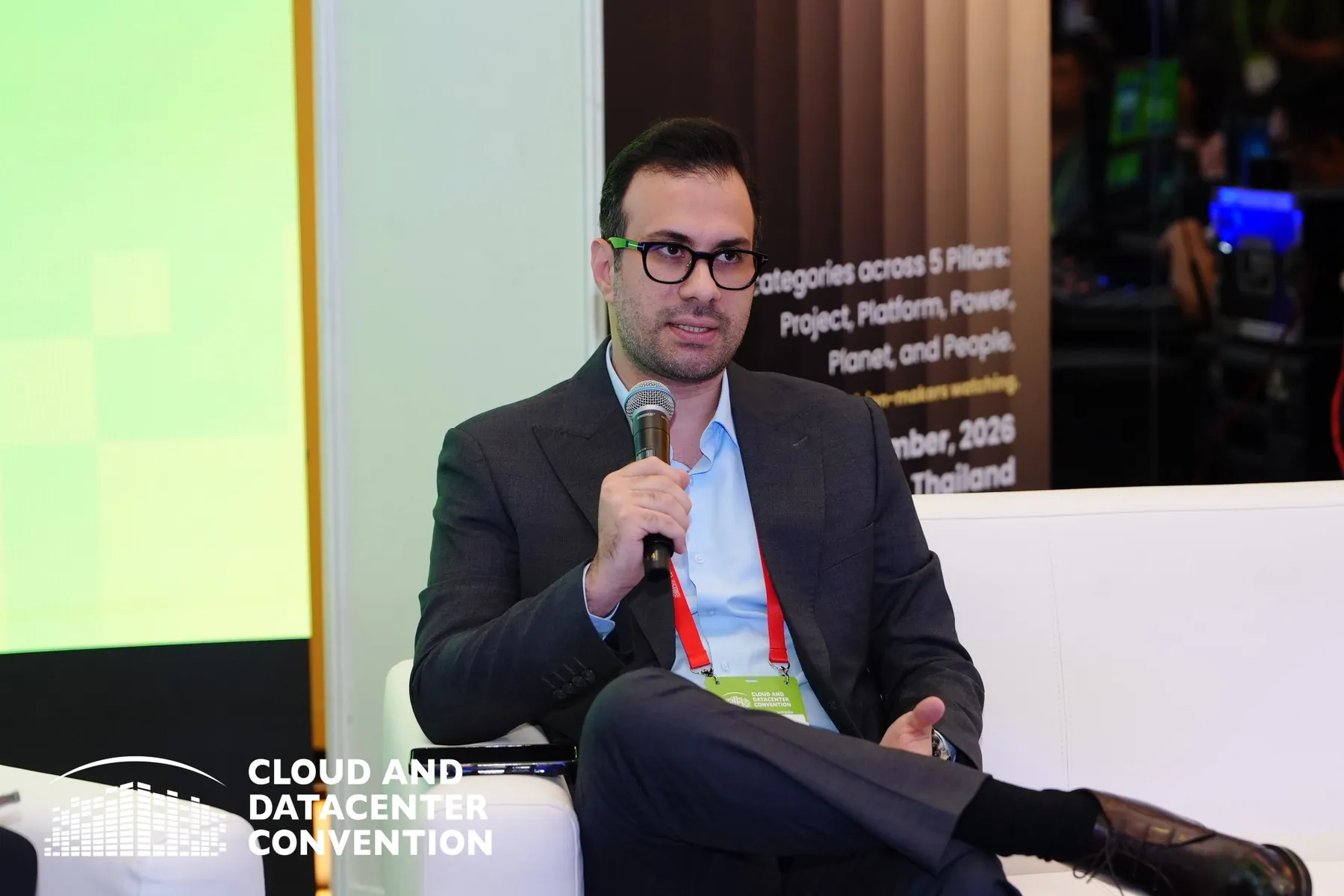
W.Media CenterStage · 22 October 2026

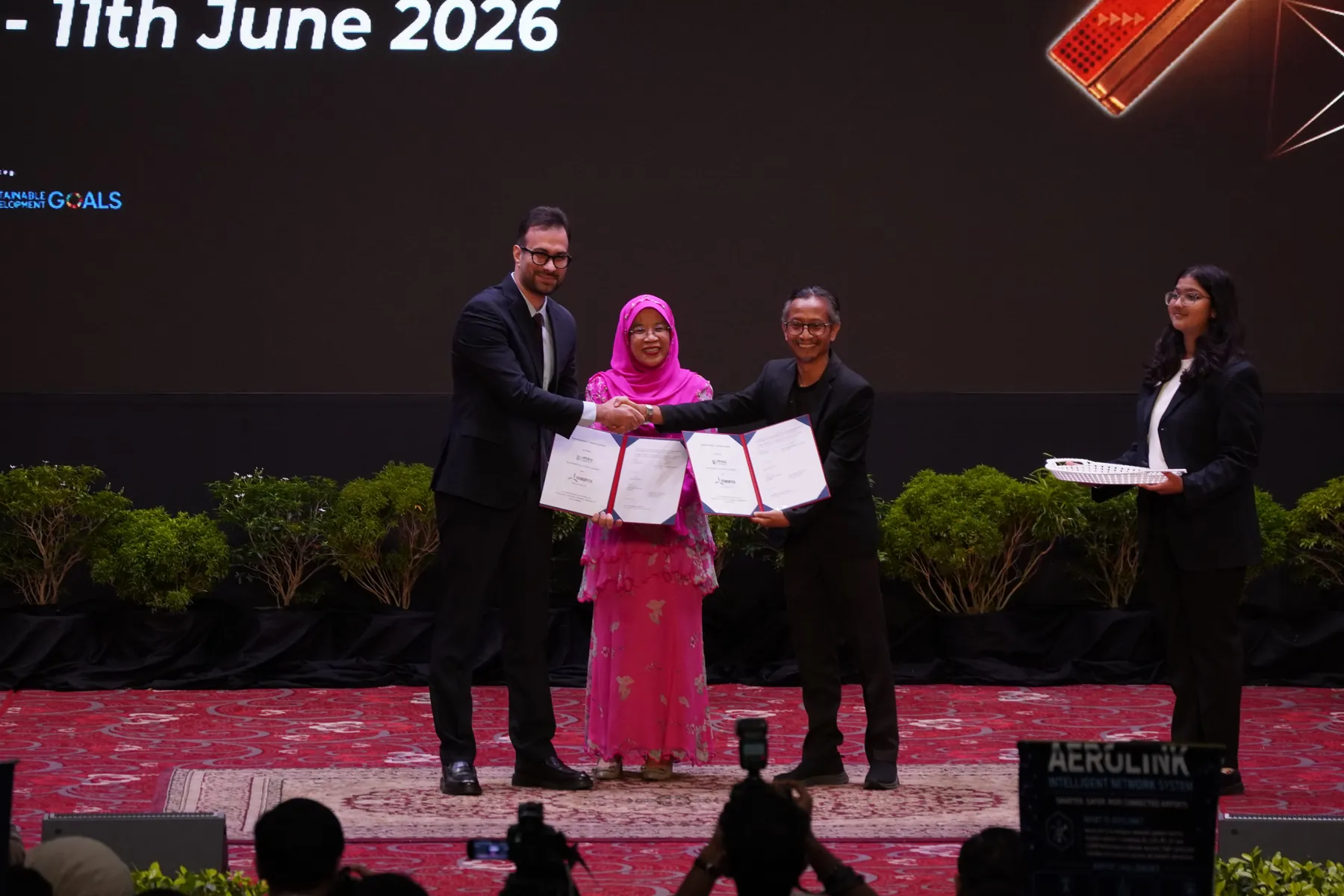
FISE exhibition · June 2026

IPPTAR · June 2026

BroadcastAsia · May 2026
Next: Digital Construction North, Manchester
On turning incident lessons, operating procedures and HAZOP findings into practical training for industrial teams, using VR, digital twins and AI.
Read the article
A technical look at reading P&IDs with computer vision, text extraction and graph models, and drafting preliminary hazard scenarios for an engineer to review.
Read the article
Where AI can help prepare and run HAZOP studies, and how the findings can become immersive training for workers, with engineers still making every decision.
Read the article
An opinion piece on where VR fits in oil and gas safety: HAZOP provides the structure, consequence modelling sets the risk boundaries, and VR adds spatial understanding without replacing QRA or engineering judgement.
Read the article
Forthcoming: an article in Hydrocarbon Processing, December 2026.
BSc in Aerospace Engineering, with a grounding in engineering analysis and simulation.
HAZOP, LOPA and SIL studies, quantitative risk assessment, and fire and explosion analysis. TechPHA is built around these methods.